
The psychology of risk Understanding the mental effects of gambling
The Allure of Gambling
Gambling has an innate appeal that transcends cultural and societal boundaries. The thrill of uncertainty and the prospect of winning can create a powerful draw for individuals seeking excitement or a break from daily routines. This allure is primarily rooted in psychological mechanisms that reward risk-taking behavior. When players place bets, their brains release dopamine, a neurotransmitter associated with pleasure and reward, leading to a sensation often described as a “rush.” This biochemical reaction can foster an addictive relationship with gambling, making it difficult for individuals to walk away once they start. At nz.westacecasino.nz, one can experience this excitement firsthand.

Additionally, the anticipation that precedes the outcome of a gamble can heighten emotions and create a feeling of being alive. The excitement of waiting for the next roll of dice or the spin of a slot machine taps into a basic human desire for unpredictability. This unpredictable nature can be both exhilarating and stressful, resulting in a fine line between enjoyment and compulsive behavior. As individuals continue to engage in gambling, they may find themselves chasing losses, driven by the belief that their next bet will lead to a breakthrough victory.
The social aspect of gambling also plays a significant role in its appeal. Many individuals are drawn to casinos and online platforms not just for the games themselves, but also for the camaraderie and shared experiences. Whether it is friends gathering at a local casino or online players engaging with each other during gameplay, these interactions can deepen the psychological impact of gambling, providing a sense of belonging that enhances the overall experience.
The Cognitive Biases in Gambling
Understanding cognitive biases is crucial when exploring the psychology of gambling. Individuals often fall prey to the illusion of control, believing that they can influence outcomes through skill or intuition. For example, a player may think they can predict the outcome of a roulette wheel based on previous spins, ignoring the fundamental principle that each spin is independent. This cognitive distortion can lead to increased betting and ultimately to gambling addiction. The Westace casino aims to educate players about such biases.
Another common cognitive bias in gambling is the gambler’s fallacy, which posits that past events affect future outcomes. A player might believe that a certain number is “due” to hit after a long period of absence, leading to irrational betting behaviors. These biases can cloud judgment and encourage players to engage in riskier gambling practices, as they convince themselves that they have a better chance of winning than statistically supported.
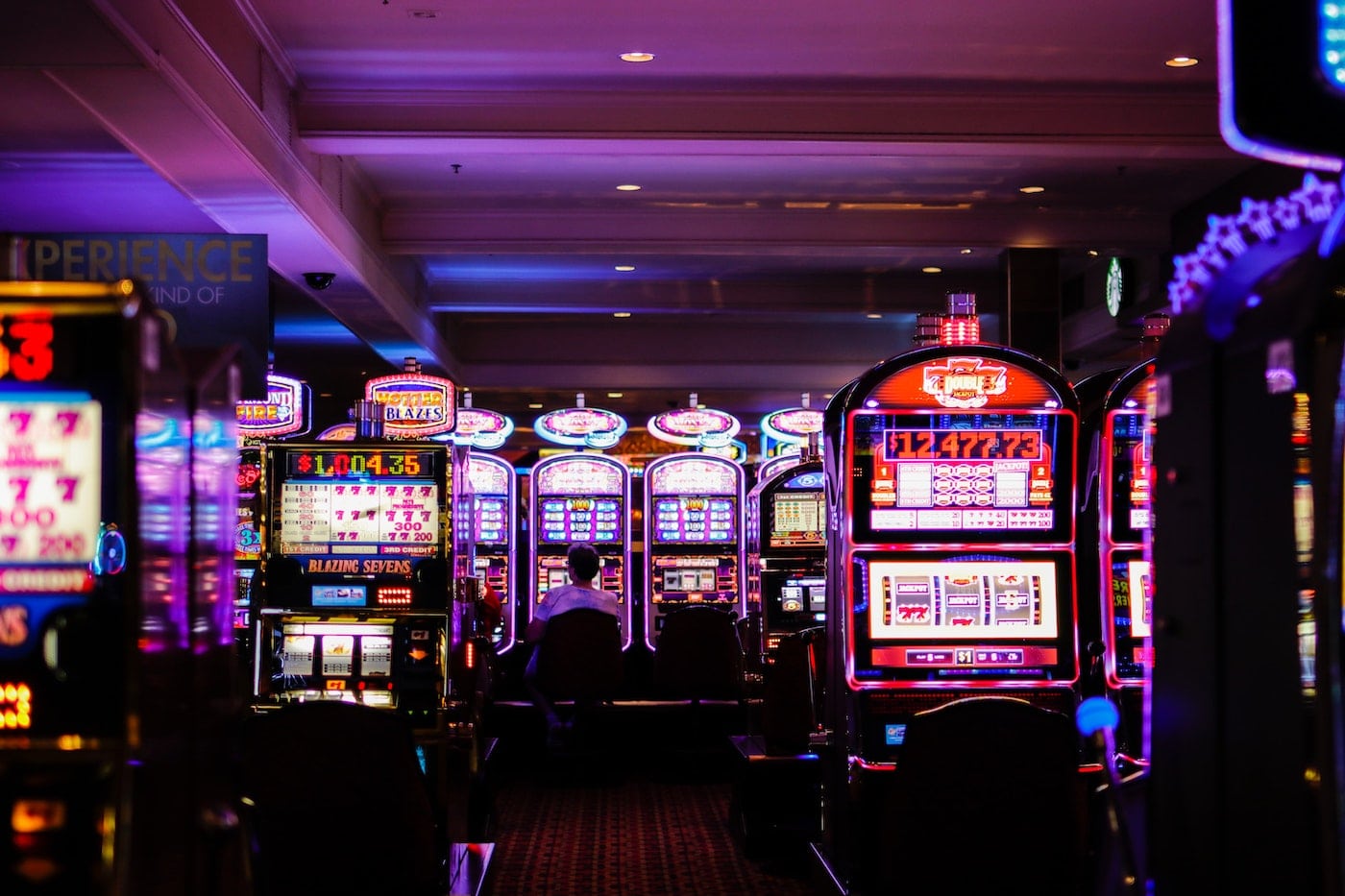
These cognitive distortions are exacerbated by the environments in which gambling occurs. Bright lights, sounds of winning machines, and social interactions create a sensory overload that can impair rational decision-making. Players may become desensitized to losses and overly optimistic about wins, further entrenching their risk-taking behaviors. This combination of cognitive biases and environmental triggers underscores the complexity of gambling psychology and highlights the need for awareness in responsible gambling practices.
The Emotional Rollercoaster of Gambling
Gambling is often described as an emotional rollercoaster, filled with highs and lows that can significantly impact mental health. Winning can bring about feelings of euphoria and a heightened sense of self-worth, while losing may result in disappointment, shame, or even anger. This volatile emotional landscape can lead to compulsive gambling as individuals attempt to regain lost money or replicate the thrill of a prior win, creating a cycle that can be difficult to break.
The emotional impact of gambling extends beyond the individual, affecting relationships and social dynamics. Loved ones may feel helpless as they watch a family member spiral deeper into gambling addiction, leading to conflicts and breakdowns in trust. The shame and secrecy often associated with problem gambling can exacerbate feelings of isolation and depression, making it essential to address the emotional ramifications of gambling in discussions about responsible practices.
Understanding this emotional rollercoaster is vital for anyone engaging in gambling activities. It is crucial to develop emotional intelligence and self-awareness when playing games of chance. Recognizing the signs of emotional upheaval can help individuals step back and reevaluate their relationship with gambling, potentially preventing harmful consequences. Strategies such as setting limits on time and money spent can assist players in maintaining a balanced approach to gambling, preserving the enjoyment of the activity without the pitfalls of addiction.
The Role of Environment in Gambling Behavior
The environment where gambling takes place plays a significant role in shaping players’ experiences and behaviors. Casinos, whether physical or online, are designed to be immersive, often intentionally stimulating the senses to keep players engaged. Bright lights, captivating sounds, and enticing graphics create an atmosphere that encourages prolonged play. This deliberate design can heighten feelings of excitement but also desensitize players to the risks involved.
Research shows that players in physical casinos often experience higher levels of arousal compared to those gambling in a more controlled environment, such as at home. This heightened arousal can lead to impulsive decisions and larger bets, as the atmosphere of the casino creates a sense of urgency. In online gambling, the convenience of access can lead to more frequent and spontaneous betting, further contributing to potential issues of addiction.
Understanding the impact of environment can empower individuals to make more informed choices about their gambling habits. By recognizing the triggers in physical and online settings, players can develop strategies to mitigate impulsive behaviors. For instance, choosing to gamble in less stimulating environments or setting strict time limits can help reduce the emotional and cognitive pressures associated with gambling, promoting a healthier approach to gaming.
Westace Casino and Responsible Gambling
The Westace casino stands out as a premier online gaming destination that prioritizes player experience and responsible gambling practices. With a diverse array of games and engaging promotions, the platform is designed to cater to both casual players and seasoned enthusiasts. However, it also places a strong emphasis on educating players about the mental effects of gambling and promoting responsible gaming behaviors.
The casino offers a wealth of resources for players seeking to understand their relationship with gambling. By providing access to information on responsible gambling, self-assessment tools, and support networks, Westace encourages a balanced approach to gaming. This commitment to player welfare is crucial in a world where the allure of gambling can often overshadow its potential risks.
Ultimately, Westace aims to create an engaging yet safe environment for players. By fostering awareness of the psychological aspects of gambling and promoting responsible behavior, the platform enhances the gaming experience while minimizing the risks associated with compulsive gambling. Joining Westace means not only exploring an exciting array of games but also becoming part of a community that values player safety and well-being above all.